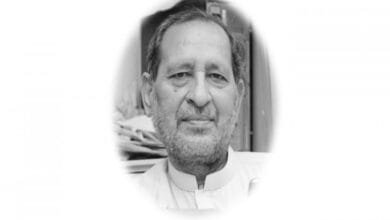
Ahmad Nawaz — The Poet of the Quest ٍ
Today, the cultural decay we face is not accidental; imperial and capitalist machineries still operate beneath the surface.

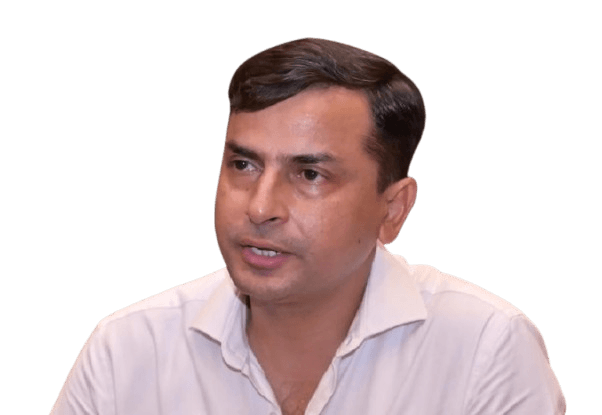
 Author: Farhat Abbas Shah
Whenever I speak about Urdu poetry, I am compelled to say that giving stylistic devices precedence over
genuine creation is the refuge of those weak and unoriginal souls who hide their own barrenness by exalting the text above the creator. A true poet has no time for self-display or calculated craft. He merely clothes the inward surge of feeling in the raiment of words. The tragedy is that, in our society, even those who steal verses are held in the same esteem as those who loot public wealth and rob the people of their rights. By glorifying the superficial and ignoring the genuine, society has been deliberately pushed toward decline.
Today, the cultural decay we face is not accidental; imperial and capitalist machineries still operate beneath the surface. Yet, even in this darkness, a few flickering lamps endure—lamps that keep alive the hope of dawn.
It is in this backdrop that I look at the poetry of Ahmad Nawaz, and I see clearly that he did not become a poet through practice or ambition; he was born a poet. He feels the universe with the heart and understands it with the mind, and yet. . . astonishingly. . . he never allows the calculating man within him to overshadow the poet. His questions and his revelations take shape in verses luminous with aesthetic grace.
Whenever I read these couplets of his, his inner journey and cosmic dialogue unfold before me in ever-changing hues. . . .
کبھی کبھی مجھے تیرا گمان ہوتا ہے
کبھی کبھی مجھے اپنا یقیں نہیں رہتا
At times your presence stirs within my mind,
At times my own conviction seems confined.
تو کون ہے مجھے چلمن سے جھانکنے والا
اگر مکان میں کوئی مکیں نہیں رہتا
Who peers through curtains, haunting me alone,
If in this house no dweller makes it home?
From “the eternal veiled One” to the search for “the third eye,” his poetry tells me that he sustains a rare balance between faith and knowledge. His doubt is not destructive; it is creative. . . doubt that deepens faith instead of weakening it.
Ahmad Nawaz’s distinction lies in this: even while passing through spiritual states, he does not lose awareness of the experience; he shapes it into poetry with complete consciousness. . .
سوز کو ساز کیا، وجد کو وجدان کیا
دل کو دالان کیا، یار کو مہمان کیا
My grief I tuned into a melody bright,
My trance I raised to full ecstatic sight,
My heart I opened wide—an inner hall,
Where Love Himself became the honored call.
Here, his creative process reminds me of the creation of man and the creation of the cosmos. . . the same awe, the same birth, the same inner sound.
He is a poet of the frontier where life and death confront one another. His reflections on death possess an intellectual clarity that is striking. . .
درد مسافر ہو جائیں گے
آخر ہم بھی سو جائیں گے
Our aches will turn to travelers and depart,
At last, we too shall sleep with silent heart.
And then this couplet. . .
کچھ نہ ہوتا جو ماورائے نظر
آنکھ بےموت مر گئی ہوتی
Had nothing lain beyond the eye’s command,
The eye had died without its final stand.
This verse, to me, is the key to his entire creative vision, he seeks an eye capable of beholding the Absolute. . . a sight beyond sight.
His poetry also sanctifies love, separation, patience, longing, and deprivation. He lives beneath the pressure of the eternal conflict between heart and world, yet refuses to let worldly loss become his defeat,
میں ترکِ آرزو سے بچ گیا ہوں
بڑی مشکل سے آسانی ٹلی ہے
I fled the death of longing’s slow decay—
Ease clung to me, but hard I sent it away.
On social and political themes, his poetry participates with dignity and courage. His voice rises against class tyranny, human indignity, and the brutal architecture of power,
اپنے پاؤں سے کچلتے ہیں وہی سر ان کے
جن کو جمہور نے سرکار بنا رکھا ہے
They crush beneath their heels the very heads
Whom people crowned and placed upon their stead.
And this. . . . .
زردار سے نفرت ہے مگر زر سے محبت
سچے ہو تو یہ فرق مٹا کیوں نہیں دیتے؟
You claim to scorn the wealthy, yet love gold—
If truth you preach, why leave this lie untold?
The brightest feature of Ahmad Nawaz’s poetry is that it refuses confinement. It is intuitive, intellectual, spiritual, and contemporary. . . each in full measure. Though his journey in ghazal spans decades, its freshness has never dimmed. While the world echoes with repetitive verse, his poetry restores credibility to the ghazal form.
Urdu literature is fortunate. It has received a poet whose thought is coherent, whose feelings burn with real heat, and whose expression glows with a rare intensity—a poet who heralds a promising future for our literary tradition.
I await his forthcoming collection, certain that it will be a beautiful addition to the body of Urdu poetry.